Abou El Fotouh
Sustainable Drip Irrigation
Delta Roots

Delta Roots

How we farm the Delta — described in practice, not in slogans.

Delta Roots gathers the field practices that keep our land in Beheira productive from one season to the next: how we irrigate, how we rest and rebuild soil, how we employ and train, and how we write all of it down. It is a working programme rather than a report — every element can be walked through on the farm and appears in the same block-level records that follow a lot to the container door. We publish figures only once they have been independently verified; until then this page describes what we do, not what we claim to have achieved.

ABOU EL FOTOUH FARMSNILE DELTA · EGYPTAEFDELTA
ORIGIN EGYPT · EST. 1990
01 / 04

Water stewardship

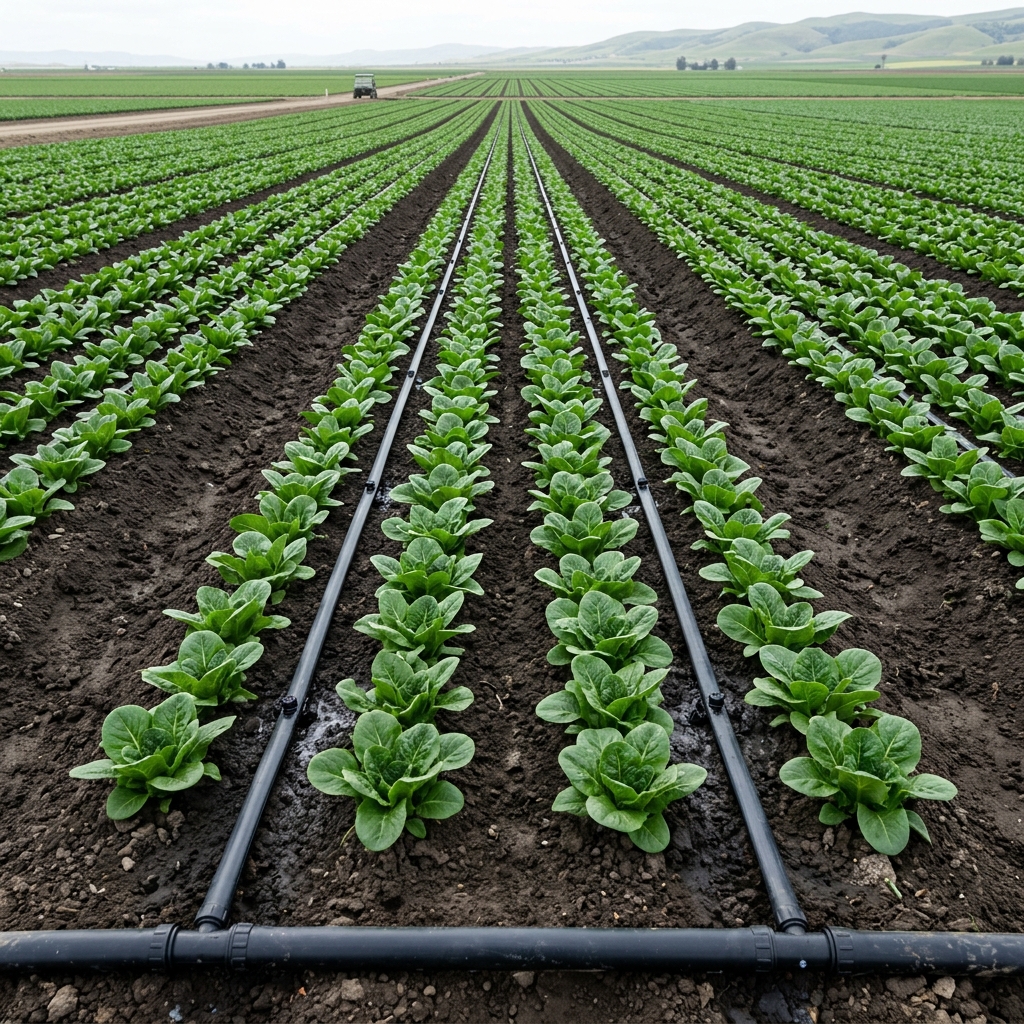
The Nile Delta is a water-scarce basin, and irrigation is the decision that most defines how long a farm can keep working. Our blocks are on drip irrigation, scheduled against soil-moisture readings and crop stage rather than a fixed calendar, so water follows the root zone instead of the field surface. Lines, emitters and filtration are inspected and flushed on a maintenance cycle, because a blocked or leaking dripper wastes water twice — once in the ground and once in the yield it fails to deliver. Where the crop and the season allow, irrigation is shifted to the cooler hours to reduce evaporative loss.
Water stewardship
02 / 04

Soil health

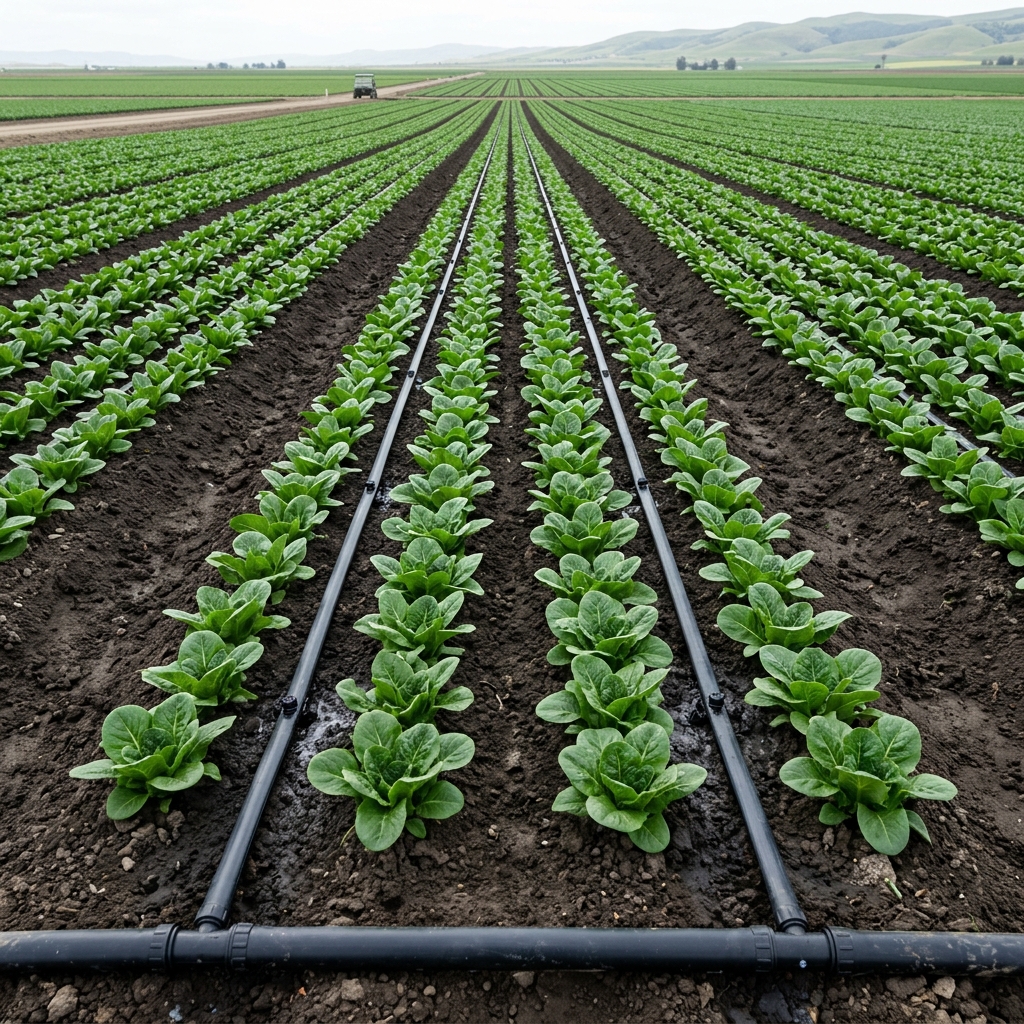
Strawberry, green beans and broccoli are not planted on the same ground season after season. Blocks move through a rotation, and land is rested or put under a soil-building cover between cycles so that structure and organic matter are restored rather than mined. Organic matter is returned through composted material and crop residue, which is what keeps a Delta soil holding water and staying workable under drip. Each block is analysed before planting, and the nutrition plan is written against that analysis instead of a standard programme applied across the farm.

Soil health
03 / 04

People & community

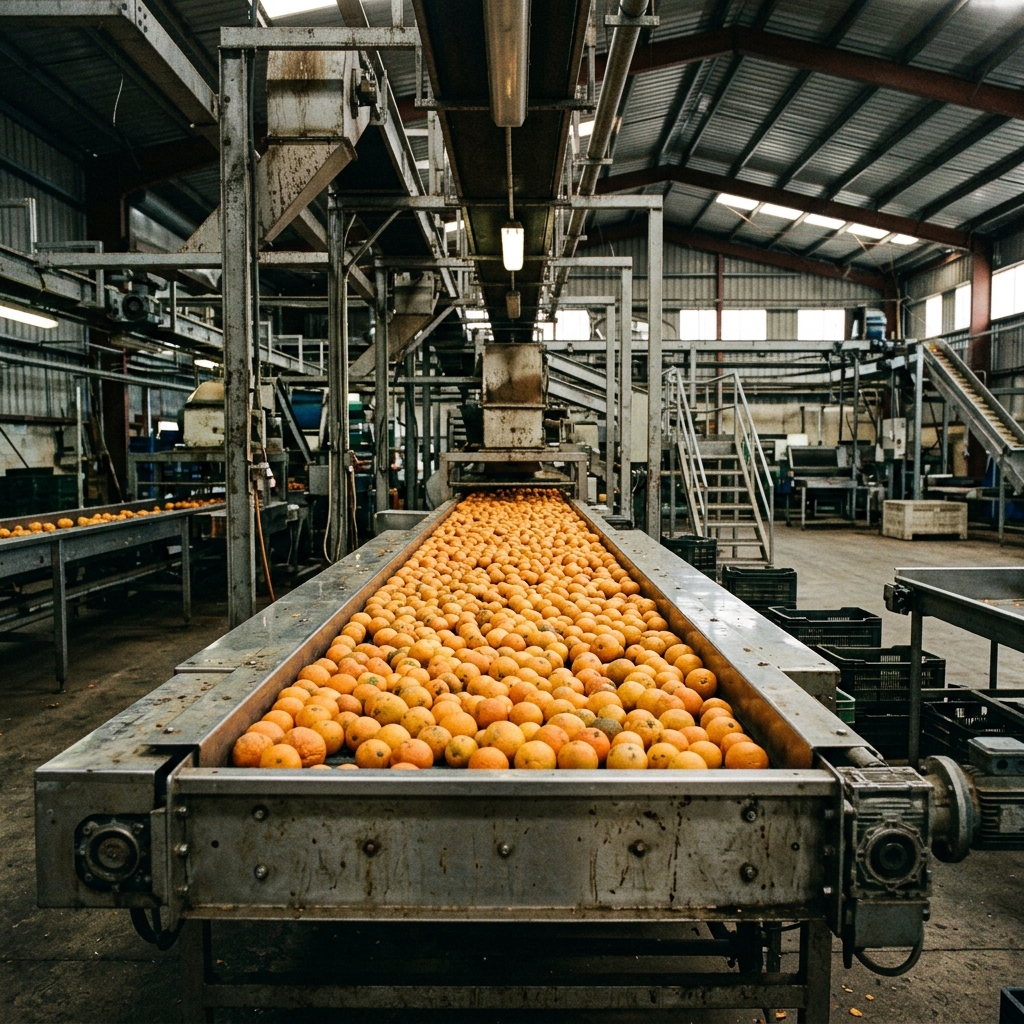
Our crop calendar is deliberately spread: fresh and IQF winter crops, then mango and pomegranate later in the year. One practical result is work that continues past a single harvest peak instead of collapsing into a few weeks. Field and packhouse teams are recruited from the surrounding Beheira communities and trained on harvest hygiene, safe handling of plant-protection products, pre-harvest intervals and correct use of protective equipment, with refresher sessions at the start of each season. Training records are kept alongside the field records, because a lot is only as traceable as the people who handled it.

People & community
04 / 04

Traceable supply

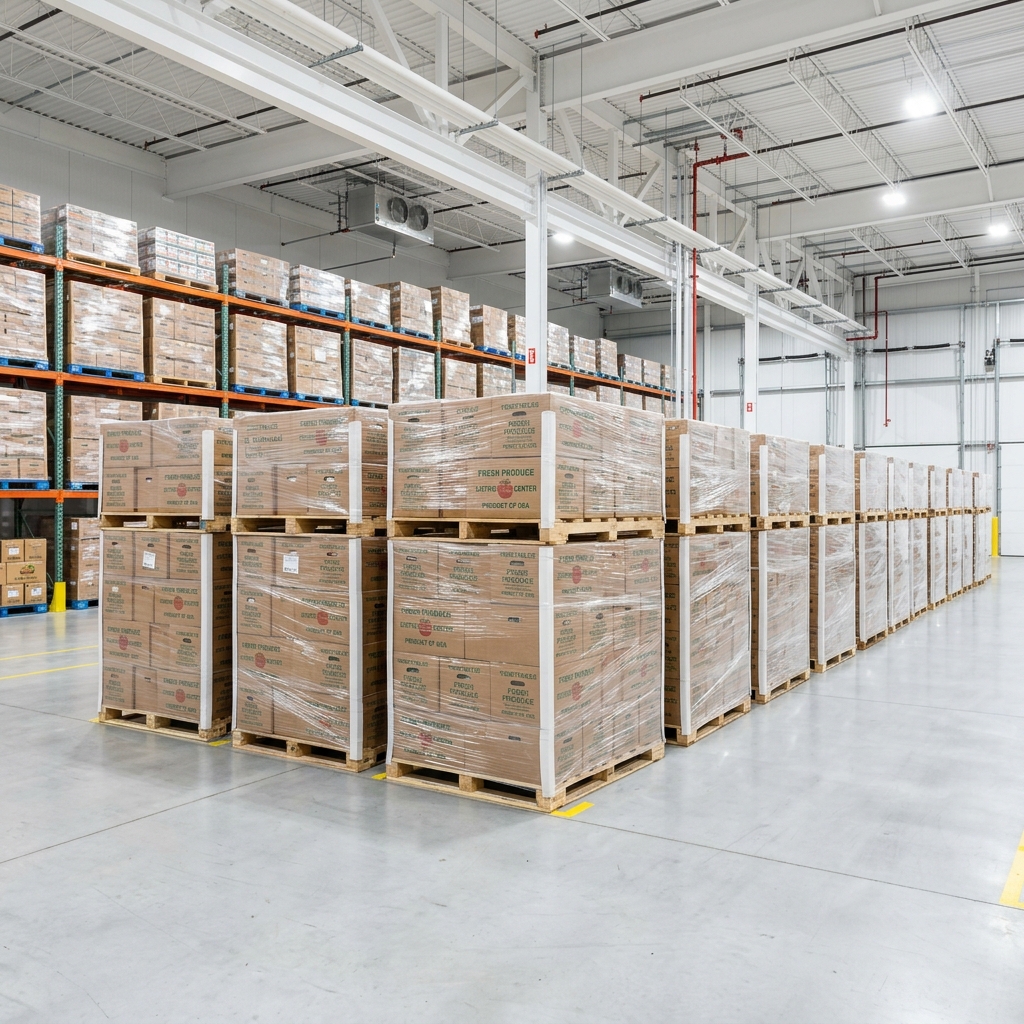
Traceability is treated here as an environmental control, not only a commercial one — you cannot manage an input you have not recorded. Every block carries its own record: variety, planting date, irrigation and nutrition events, plant-protection applications with their pre-harvest intervals, and the harvest dates drawn from it. That record is carried forward into the lot code at grading, into the pallet at cold store, and into the container number at stuffing, so a delivered pallet can be read backwards to the ground it grew on. The same file is what supports MRL compliance evidence and any customer or certification-body audit.

Traceable supply

DIRECT GROWER PROCUREMENT

Ready to Discuss Commercial Produce Supply?

Contact our commercial sales department for container availability, specification sheets, and FOB / CFR price quotes.