Logistics
The cold chain, stage by stage
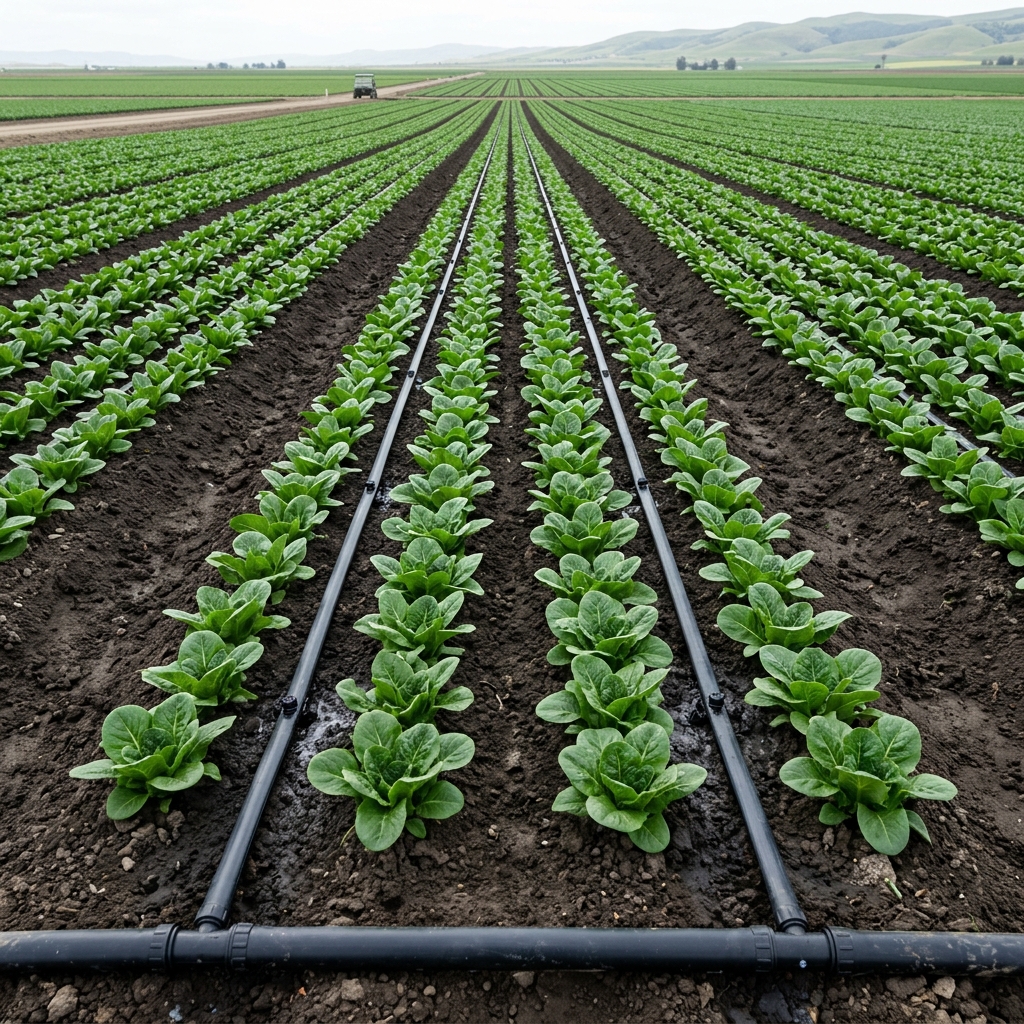
Field pre-cooling
0°C strawberry & grape · 5°C citrusFruit leaves the block warm, and every hour it stays warm is shelf life spent before the container is even booked. Harvested crates move from the field to pre-cooling, where field heat is pulled down to the holding temperature the crop is specified at — 0°C for strawberry and table grape, 5°C for citrus. From this point the lot is under temperature record and never returns to ambient.
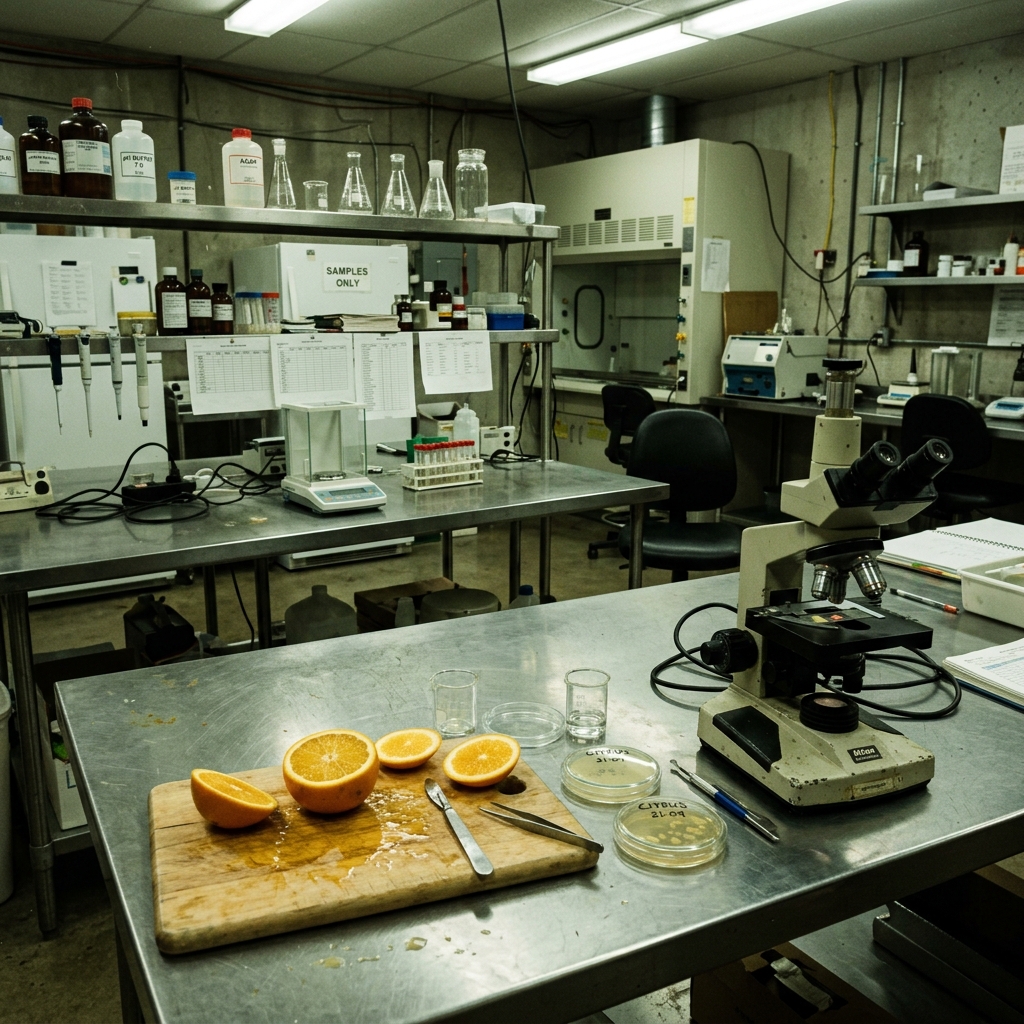
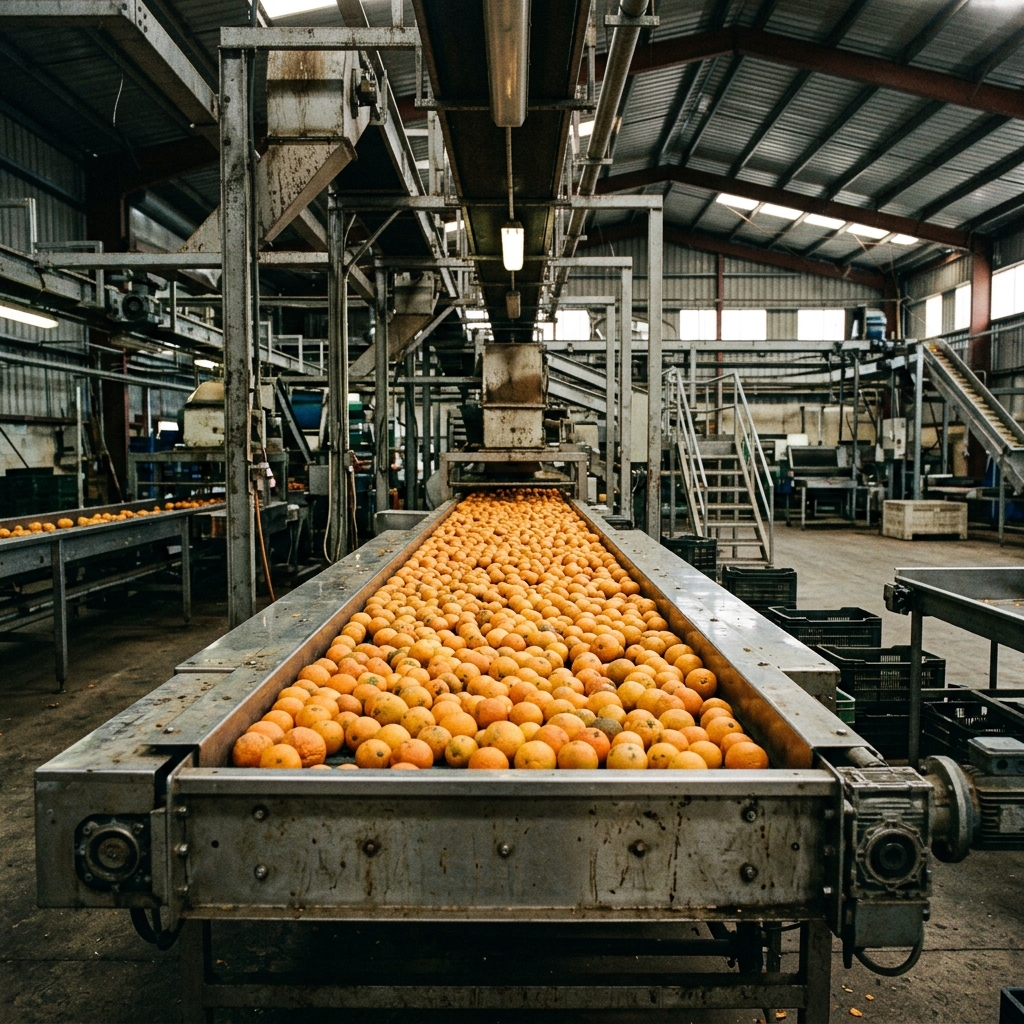
Grading & sorting
Strawberry 25mm+ · grape 16–18mm · citrus counts 48–113Lots are graded against the written class specification for the SKU, not by eye against the day's average: 25mm+ with intact calyx for fresh strawberry, 16–18mm berries at BRIX 16.0°+ for grape, counts 48 through 113 for citrus. Out-of-spec fruit is separated here and directed to the industrial grades rather than diluting a Class I pallet. The lot code is assigned at this station and carries the block record forward.
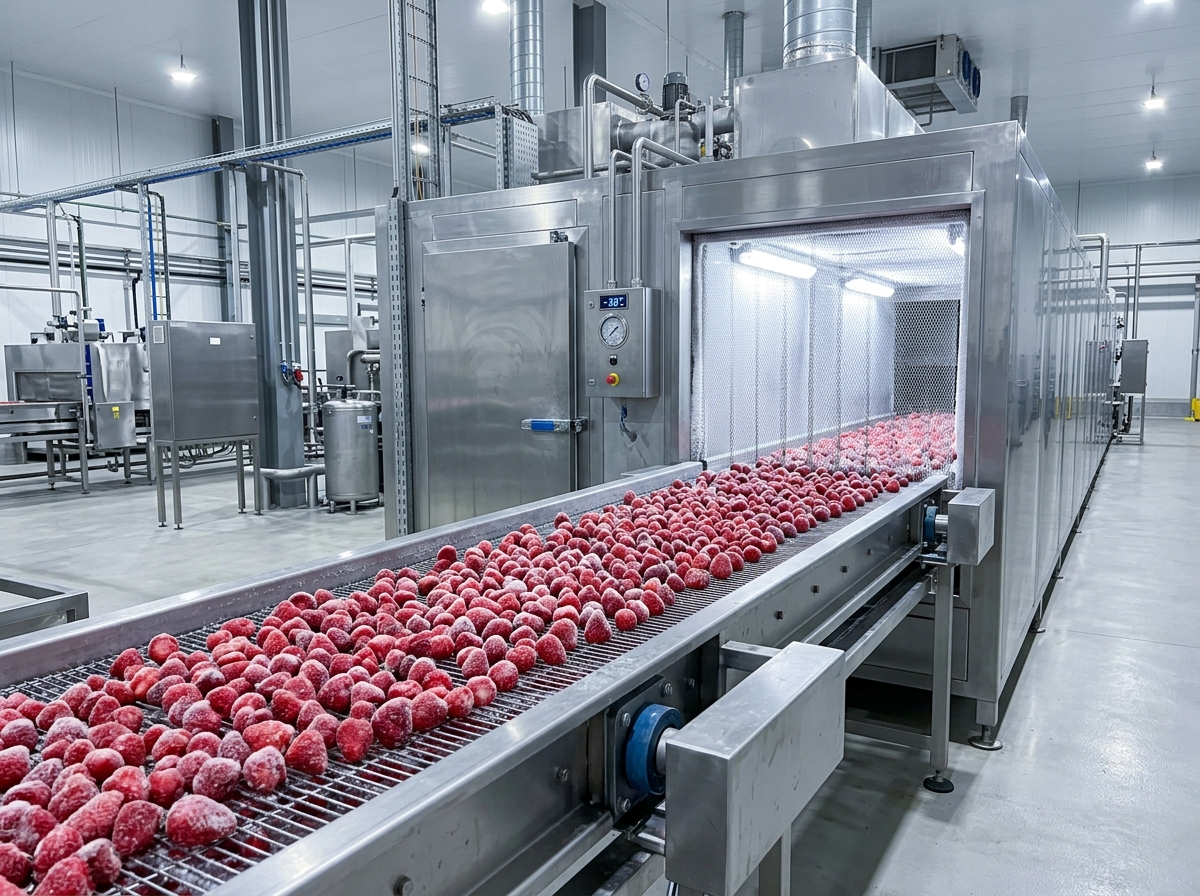
IQF tunnel — frozen line
−18°C core · whole / halves / diced 10x10mm / chunks 20x20mm / floretsOn the frozen line, vegetables are blanched and cooled before freezing; fruit goes to the tunnel washed and cut to the ordered format. Product passes through the tunnel in a moving bed so pieces freeze individually rather than fusing into a block — which is what lets a customer decant part of a carton and reseal the rest. Core temperature out of the tunnel is −18°C, and the format is fixed to the order: whole, halves, diced 10x10mm, 20x20mm chunks, or florets.
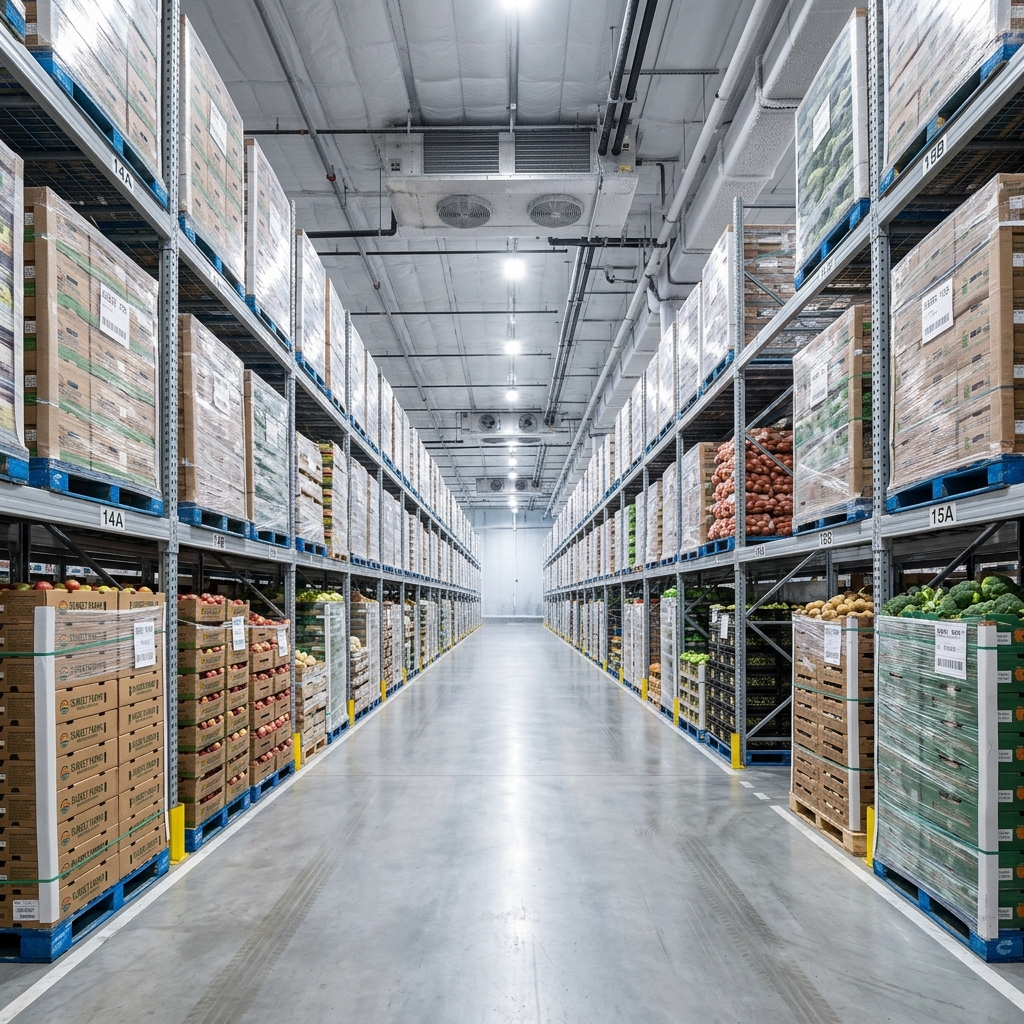
Palletising
IQF 10kg cartons 390 x 290 x 245 mm · 80 cartons/palletFrozen SKUs are packed into 10kg master cartons of 390 x 290 x 245 mm with a food-grade PE inner liner, stacked 80 cartons to the pallet. Fresh lines use their own carton geometry — 600 x 400 x 90 mm at 160 cartons per pallet for 2.5kg strawberry, 600 x 400 x 115 mm at 120 cartons for 5kg grape, and 500 x 300 x 270 mm at 80 cartons for 15kg citrus. Pallets are labelled with the lot code, SKU, net weight and pack date before they leave the hall.
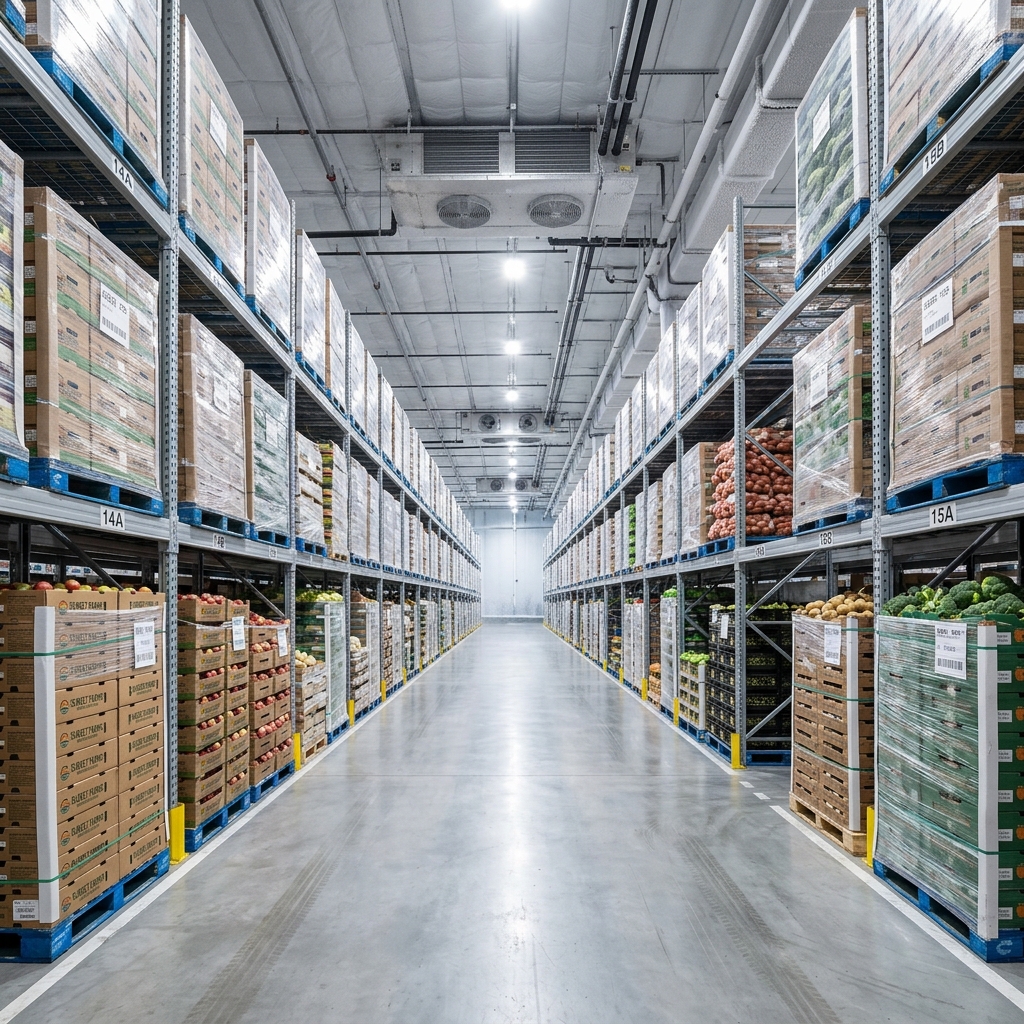
Cold store
−18°C holding · 24-month shelf life (frozen range)Finished pallets are held at −18°C for the frozen range, against a declared shelf life of 24 months from production. Stock is rotated on the lot code so that the oldest qualifying production ships first, and temperature is logged continuously rather than spot-checked. Fresh pallets are held at their own crop temperature and staged for the shortest possible dwell before the reefer is called.
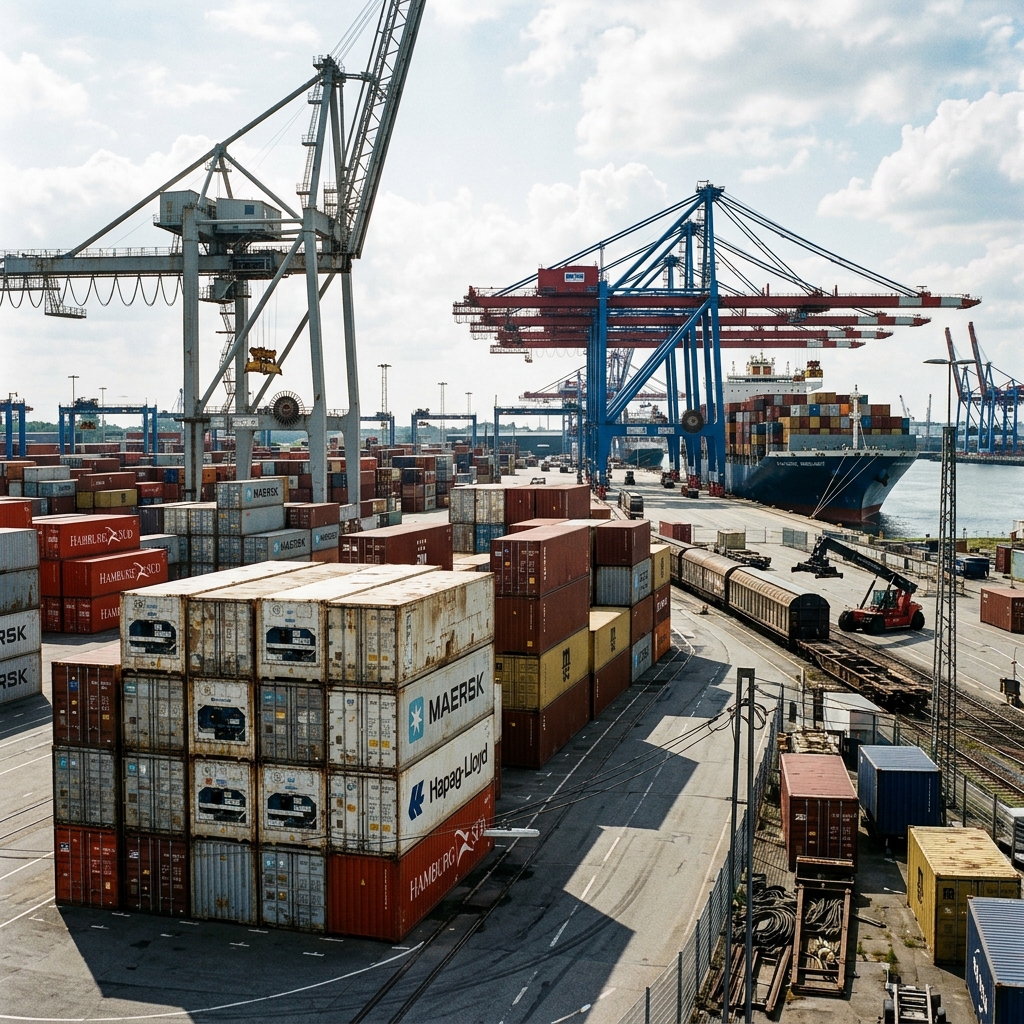
Reefer stuffing & port
22 pallets per 40ft reefer (IQF) · 21 fresh berry/grape · 20 citrusThe reefer is pre-cooled and its set point verified before a single pallet is loaded, and stuffing is done through a cold dock so the chain is not broken at the last metre. A 40ft reefer takes 22 pallets of 10kg IQF cartons; fresh loads run 21 pallets for strawberry and grape and 20 pallets for 15kg citrus cartons. The container number is written back against the lot codes it carries, and the unit moves to the load port for FOB, CFR or CIF delivery as contracted.
Container options
40ft Reefer (40RF)
The standard unit for our programmes and the MOQ for most SKUs. Frozen loads run 22 pallets of 10kg cartons at 80 cartons per pallet; fresh berry and grape loads run 21 pallets, and 15kg citrus cartons run 20 pallets. Temperature set point, ventilation and any humidity requirement are fixed per crop on the booking.
20ft Reefer (20RF)
Available on request for trial orders, mixed-SKU consignments and markets where a full 40ft load is more cover than a buyer needs. The loading plan and pallet count are confirmed per SKU at booking rather than assumed from the 40ft figures.
Incoterms quoted
Load ports
GLOBAL DESTINATIONS
Export Markets & Shipping Corridors
Supplying international importers, foodservice distributors, and manufacturers.
BEHEIRA · NILE DELTA → الموانئ العالمية المستهدفة
Europe
Size a mixed load before booking in the load planner. Packing specs download from the downloads desk.