The varieties
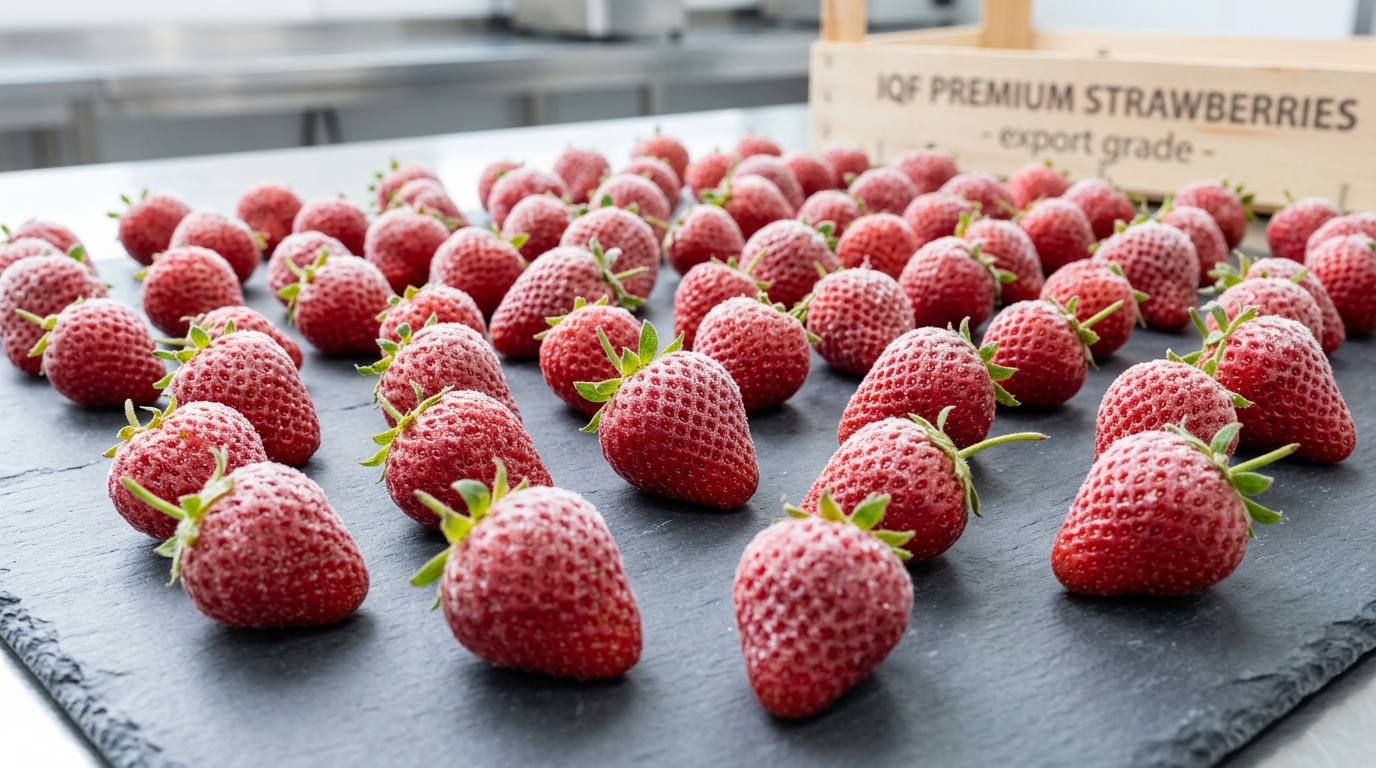
Three cultivars, chosen for three different jobs.
We do not grow one strawberry and sell it to everyone. Each cultivar earns its place in the programme by what it does after it leaves the field.
 The traveller
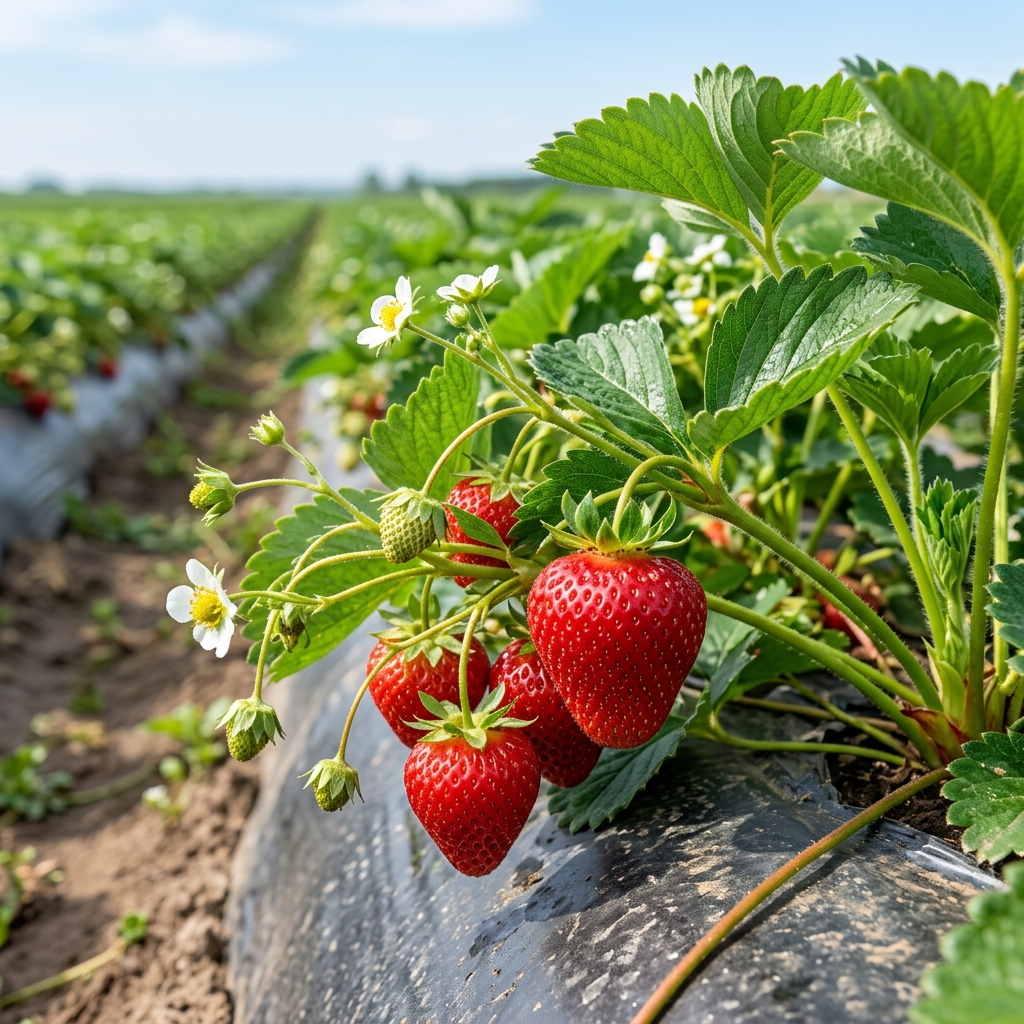
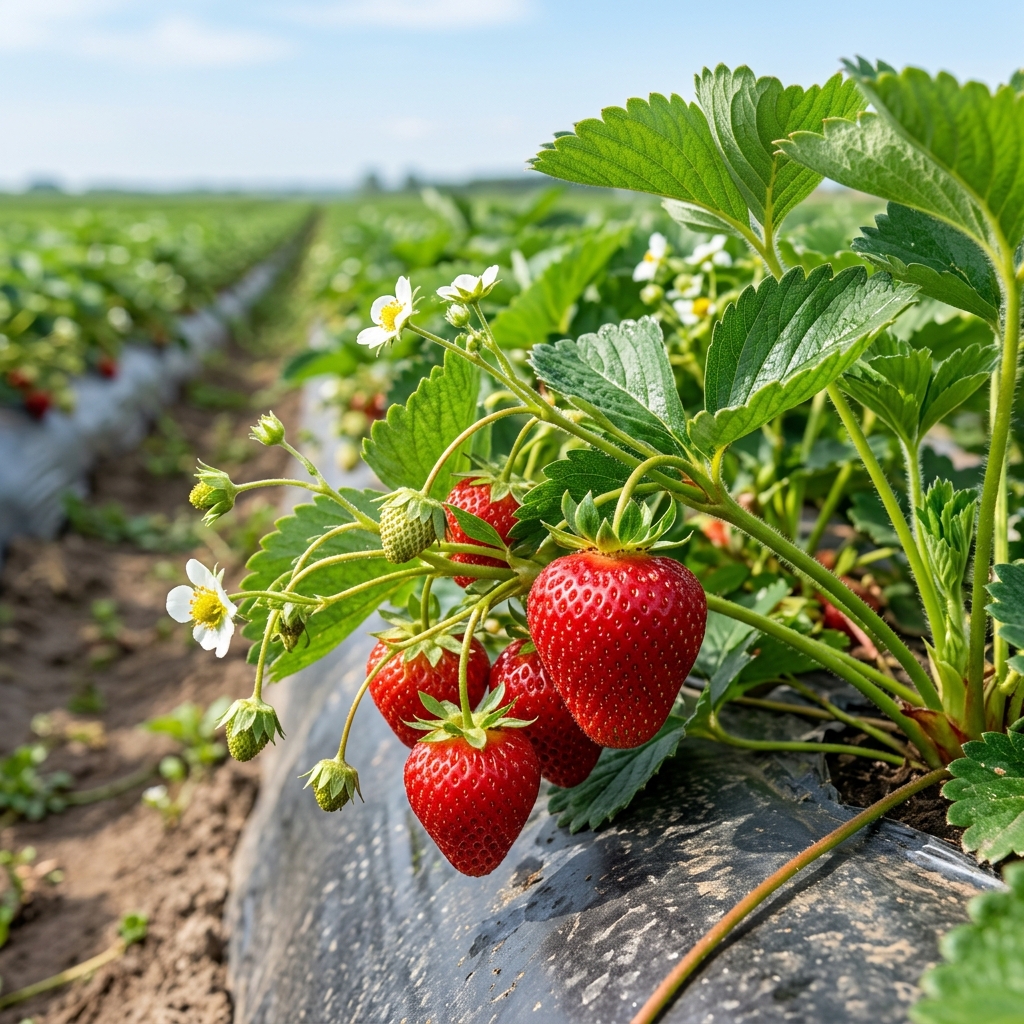
Fortuna
Firm flesh and an even conical shape. Holds its structure through grading, freezing and a long sea leg — which is why it carries most of our whole-fruit IQF volume.
 The flavour
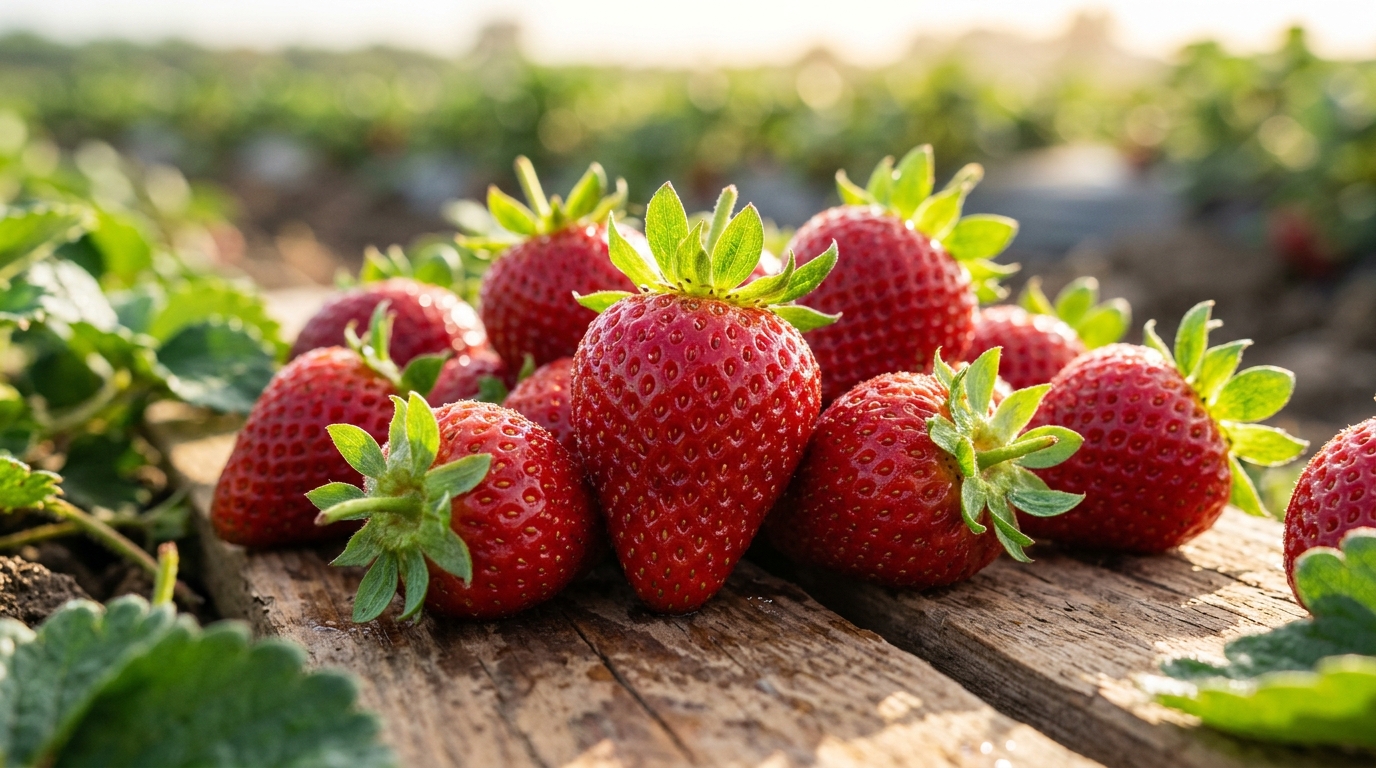
Sensation
Higher aromatics and a deeper red through the core rather than just at the skin. Chosen where the fruit will be tasted on its own — dessert toppings, premium retail packs.
 The workhorse
Festival
Consistent colour and a reliable Brix band across a long picking window. Suits industrial lines where the specification matters more than any single spectacular crate.
Why Egyptian strawberry
A window that opens when the Northern Hemisphere closes.
Egyptian fruit lands in the months when European and North American production is at its thinnest. For a buyer holding a year-round listing, that is not a nice-to-have — it is the part of the calendar that is hardest to cover.
| J | F | M | A | M | J | J | A | S | O | N | D | |
|---|---|---|---|---|---|---|---|---|---|---|---|---|
| Fresh Export StrawberryFresh | January: Peak | February: Peak | March: Peak | April: Available | May: — | June: — | July: — | August: — | September: — | October: — | November: Available | December: Peak |
| IQF Frozen StrawberryIQF | January: — | February: — | March: Available | April: Peak | May: Peak | June: Available | July: — | August: — | September: — | October: — | November: — | December: — |
Windows shown are indicative and confirmed per contract.
Heritage
30+ Years of Growth
The company has grown strawberries in Beheira since 1990. The dates below are the ones we can evidence; the rest of the timeline is being compiled from company records.
- 1990
The company is founded and strawberry cultivation begins in Beheira Governorate.
- 2026
36 continuous seasons growing and exporting from the same blocks.
Specification
Fresh and frozen, side by side.
The same fruit, two programmes. Switch between them to compare grades, packing and cold-chain requirements.
Identity
Format
Analytical
Storage
Packing
Commercial
Grades
- Grade A WholeWhole, uncalibrated or calibrated 15–25mm / 25–35mm, BRIX 7.0+
- Grade B / DicedDiced 10x10mm or halves for industrial processing & bakery
Pesticide residues
EU MRL Standards
Plan cartons, pallets and 40ft reefers for this volume in the load planner. Spec sheets and the document register sit on the downloads desk.
Farm to Port
Five stages between the field and your container.
- Stage 01
The field
Our own blocks in Beheira, on Nile Delta silt. Because we farm rather than buy on the spot market, variety selection, irrigation and spray programmes are decisions we make — not conditions we inherit from a supplier.
Block-level records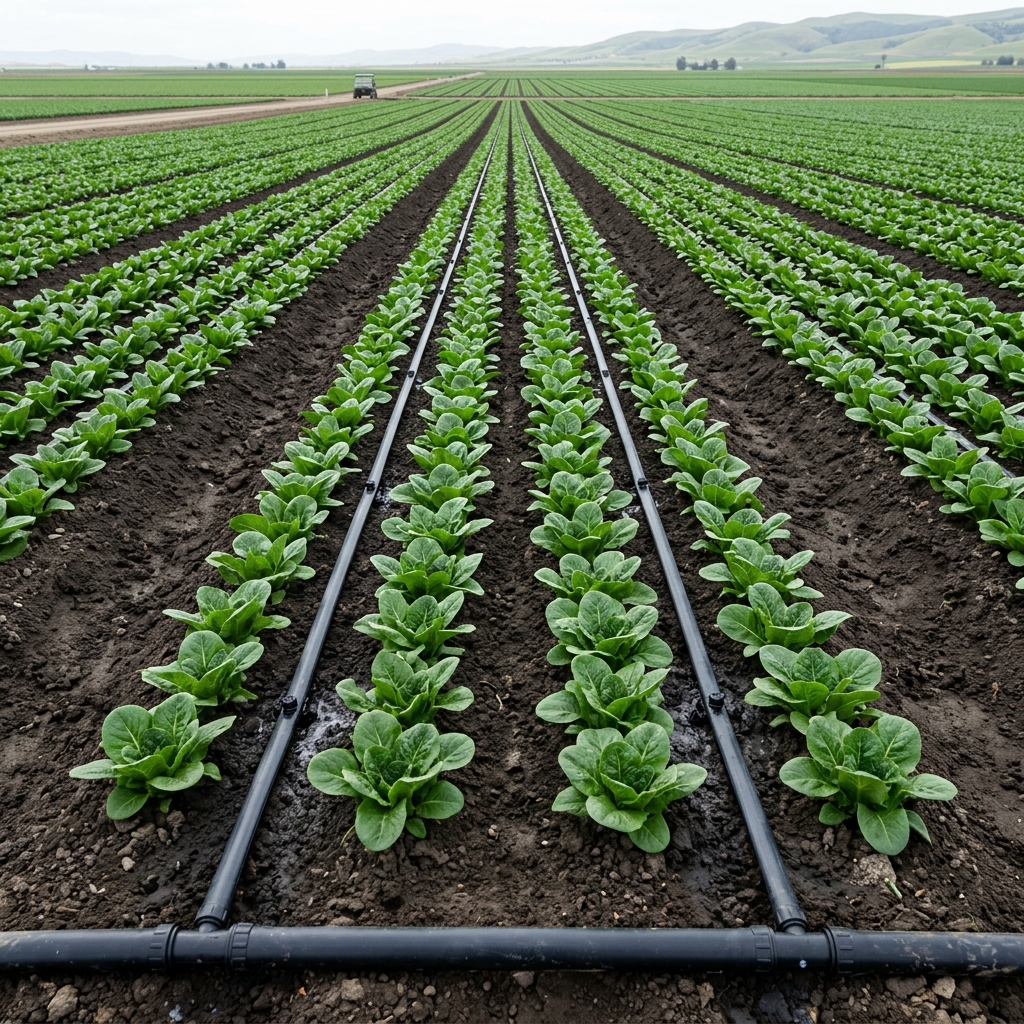
- Stage 02
Harvest at maturity
Fruit is picked at the maturity the destination requires, not at the maturity that suits a picking schedule. Crates move from the block to pre-cooling the same morning, before field heat can start working against shelf life.
Same-morning pre-cooling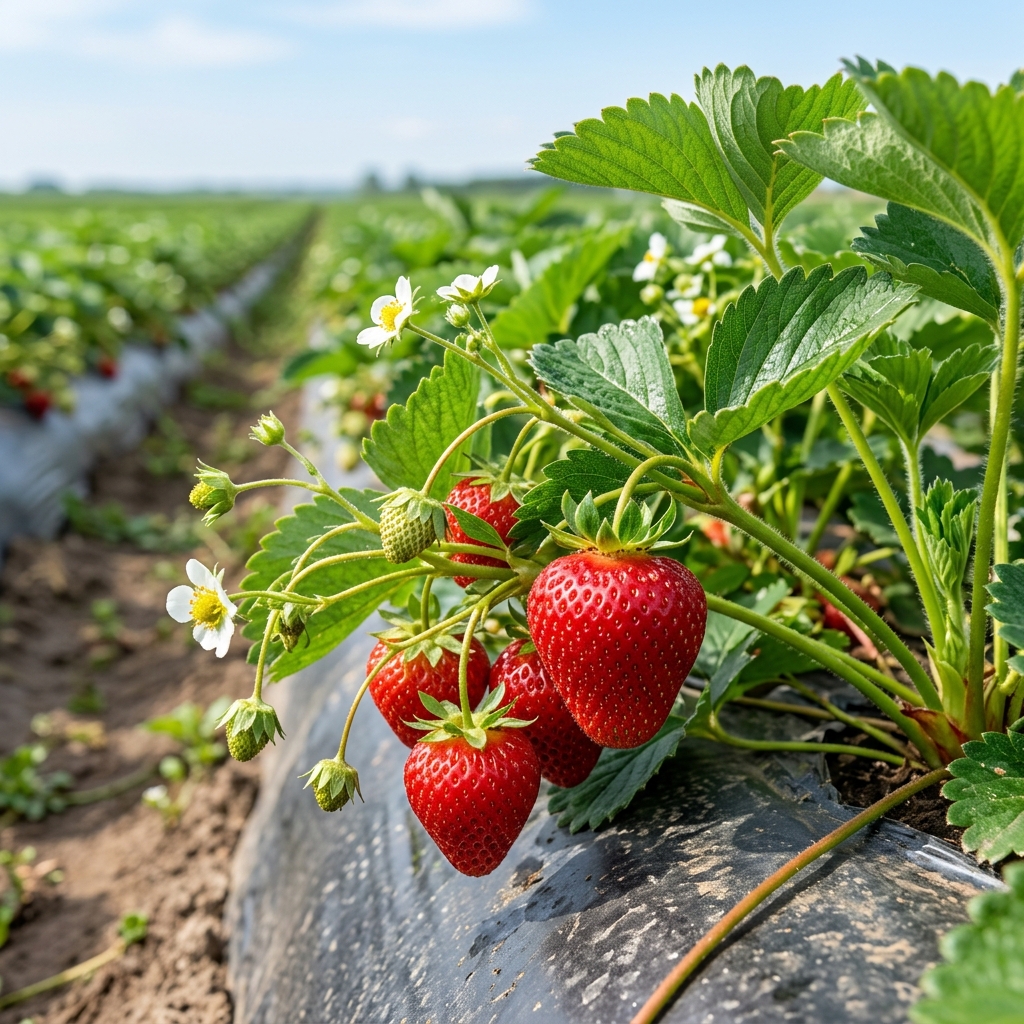
- Stage 03
Grading and IQF
Sorting to calibre and grade, then straight into the tunnel for the frozen lines. Individual quick freezing keeps pieces separate and cell structure intact, which is what lets a buyer pour exactly the weight they need months later.
Whole · halves · diced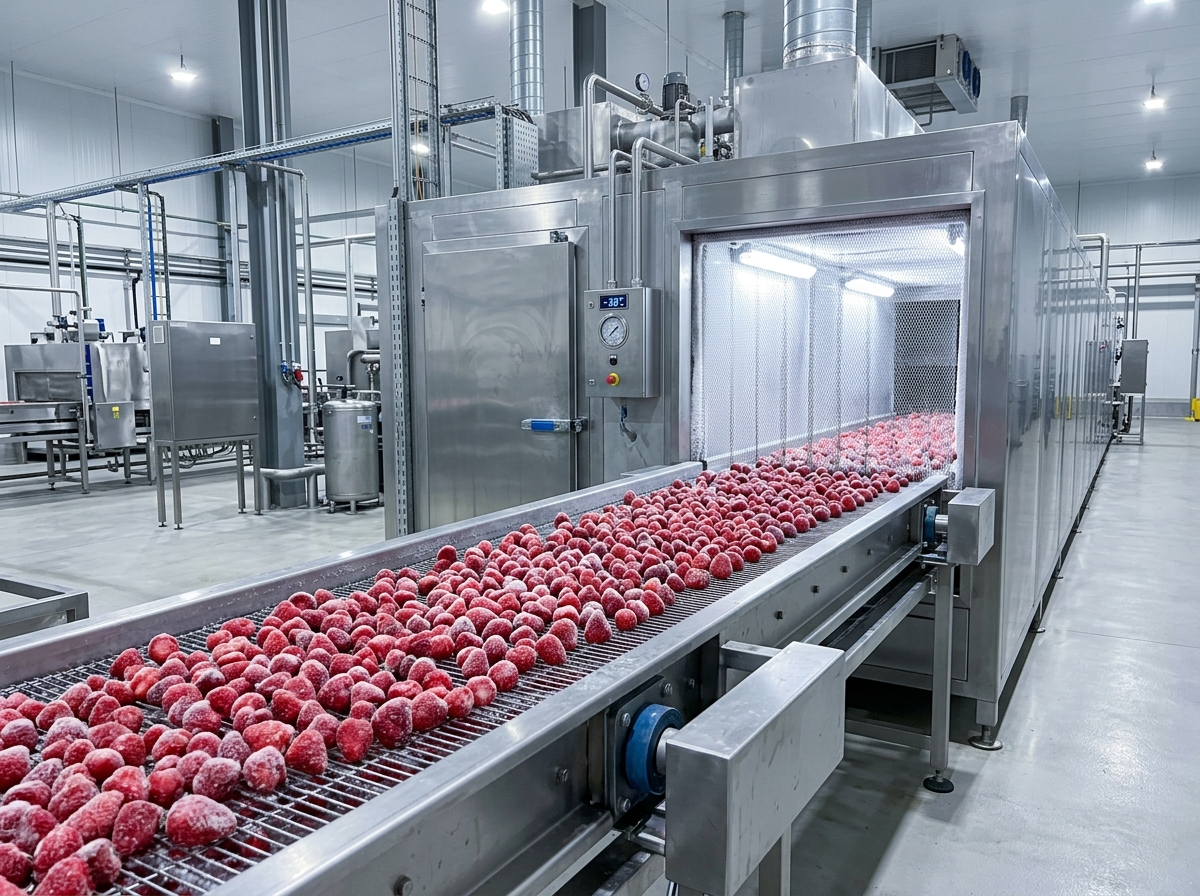
- Stage 04
Cold store
Cartons are palletised and held at −18°C. Temperature is the entire product at this point: every hour outside the band is shelf life a customer will never get back.
−18°C held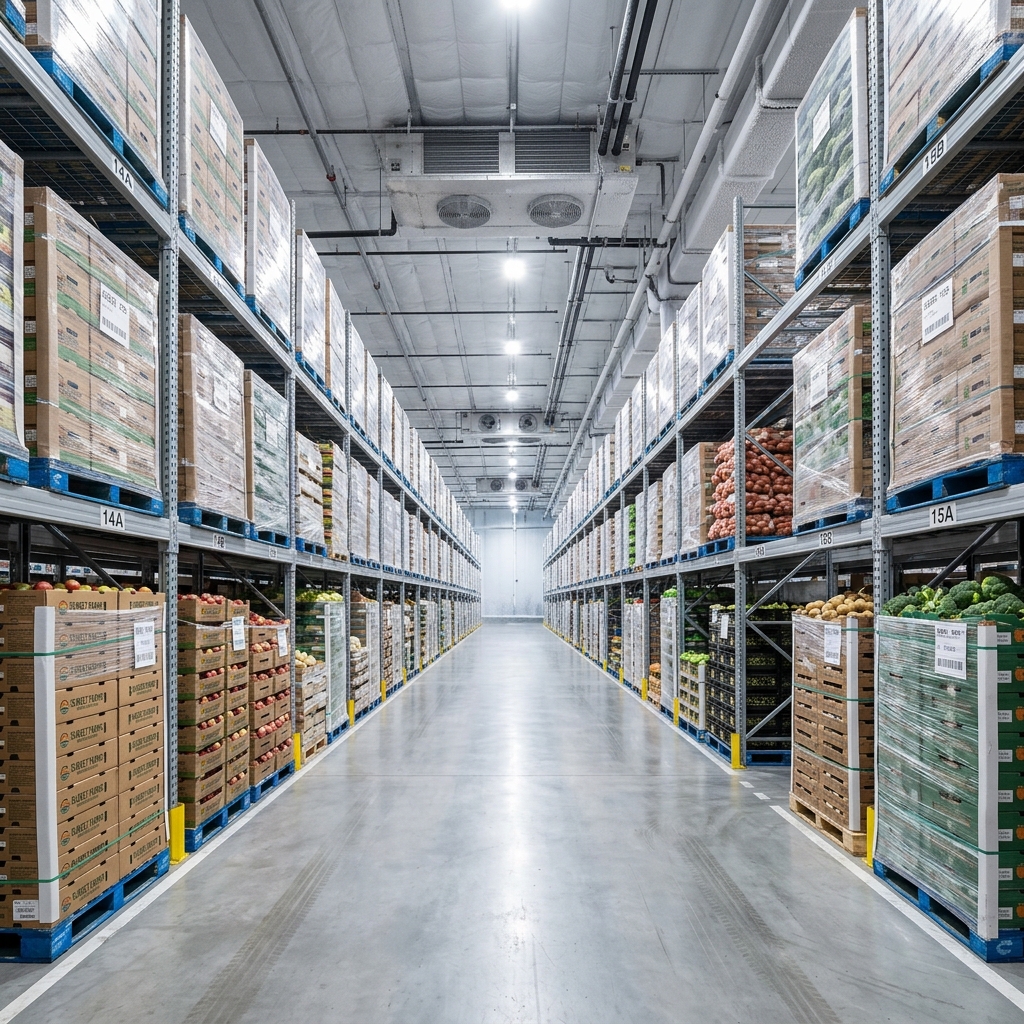
- Stage 05
Stuffing and port
Reefers are pre-cooled before stuffing and set to the temperature on the booking. Loading is documented lot by lot, so what leaves the store and what arrives on the bill of lading are the same thing.
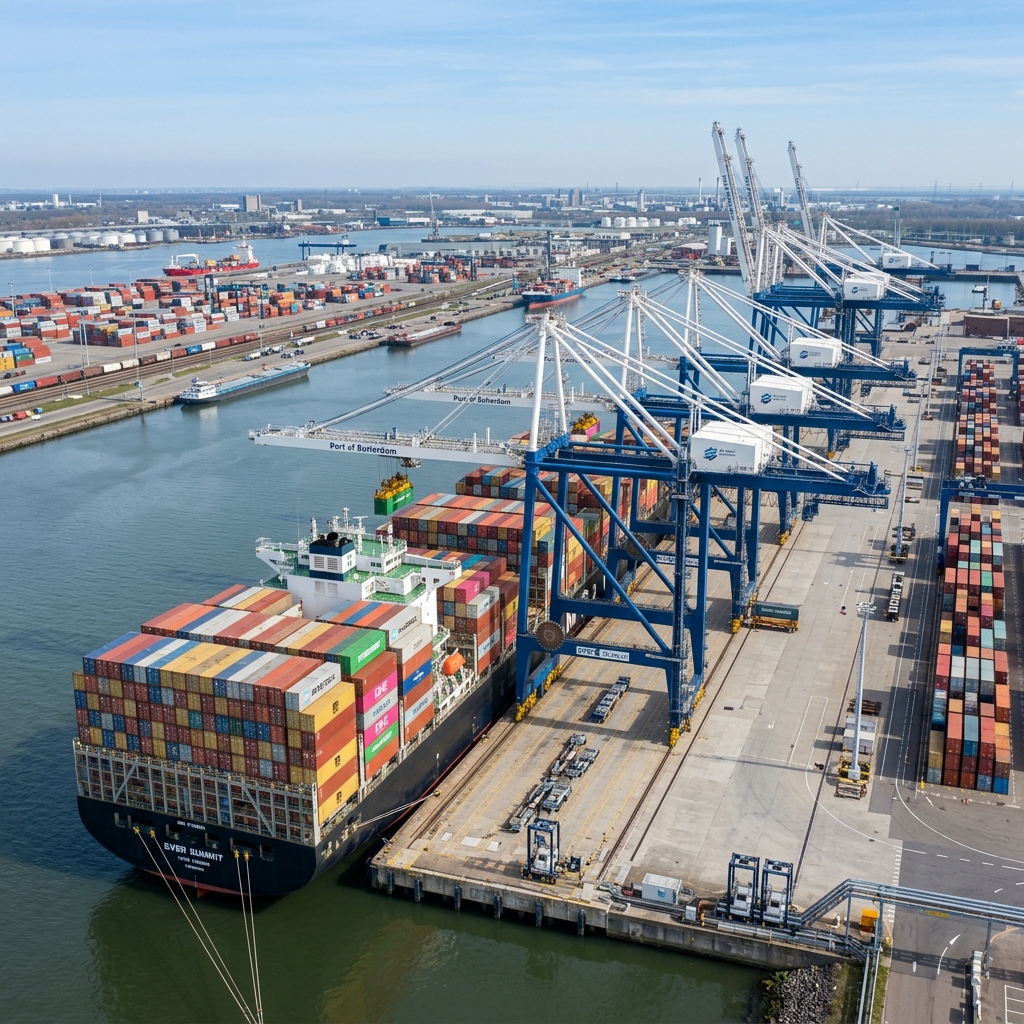
Alexandria · Damietta · Port Said